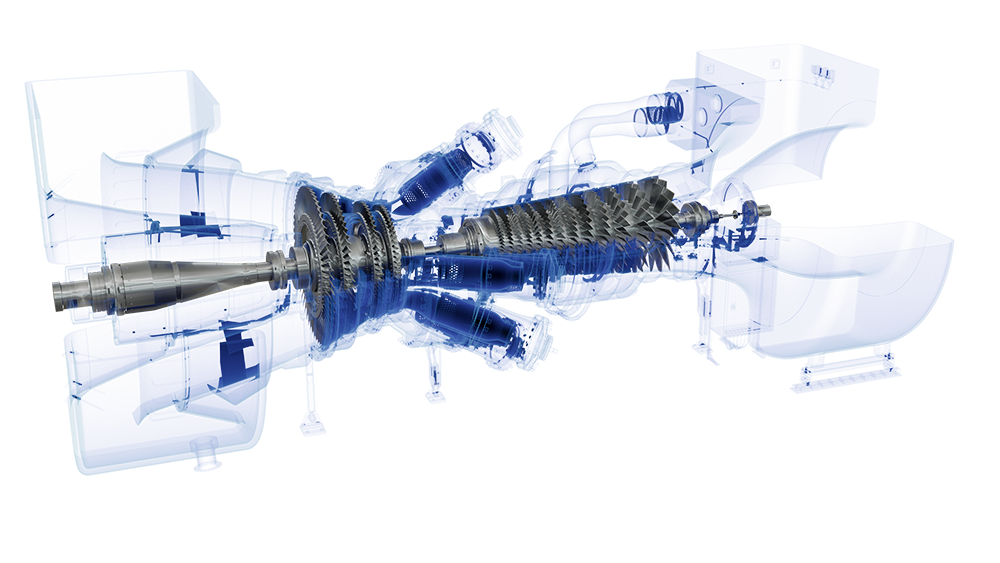
Machine and Controls
Turbine frame and combustor configuration, control platform and revision, network architecture, OEM or non-OEM combustion hardware, fuel set and operating modes.
Site Assessment
A successful ECOMAX+ implementation starts with a practical assessment of your turbine configuration, controls, operating constraints, tuning history, hardware findings, and economic drivers. NAES can help identify candidate units, quantify the potential annual value, define technical integration requirements, and establish a low-risk path to prove the outcome.
What NAES reviews
Turbine frame and combustor configuration, control platform and revision, network architecture, OEM or non-OEM combustion hardware, fuel set and operating modes.
CDMS and combustion sensor availability, NOx and CO permit limits, CEMS basis, dynamics and flame-stability limits, historian availability, scan rates and calibration practices.
Seasonal tuning history, recurring operating problems, load profile, run hours and starts, ambient operating range, heat-rate and output baseline, target KPIs, test procedure and acceptance basis.
Recoverable MW, heat-rate value, fuel cost, capacity value, steam value where applicable, manual tuning expense, maintenance and refurbishment exposure, outage or derate history, emissions risk.
Low-risk implementation path
Confirm turbine frame, controls, sensors, constraints, and data availability.
Review output, heat rate, emissions, events, tuning history, and hardware findings.
Define I/O, network architecture, limits, control narrative, test plan, and fallback behavior.
Plan physical installation, controls integration, and site requirements.
Tune, validate, train operators, and confirm alarms, permissives, overrides, and fallback behavior.
Track KPIs, validate results, and define the path to scale across units or modules.
Request an assessment
What happens next
NAES confirms turbine frame, controls, sensors, constraints, and data availability.
Output, heat rate, emissions, tuning history, and hardware findings are reviewed.
NAES defines the integration path and the value opportunity specific to your site.
Results vary by turbine configuration, combustion hardware, controls platform, operating profile, baseline condition, fuel conditions, emissions requirements, and site-specific objectives. All performance opportunities require site-specific engineering review and validation.